Oxford Street small van rubbish removal for shops and stalls
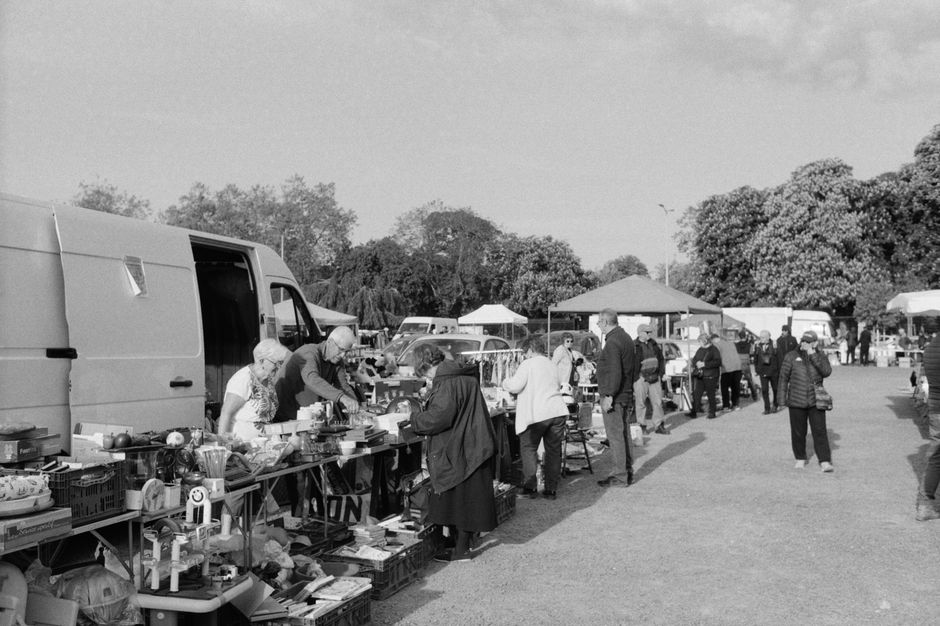
If you run a shop, kiosk, market pitch, pop-up, or street stall on or around Oxford Street, rubbish has a way of piling up at the worst possible moment. Cardboard boxes lean against the stockroom wall, broken display bits sit behind the till, packaging starts to spill into the back corridor, and suddenly the space feels smaller, noisier, and more stressful than it should. That is exactly where Oxford Street small van rubbish removal for shops and stalls comes in: a practical, flexible way to clear waste without waiting around for a large vehicle or a full-scale clearance crew.
This guide explains how the service works, why a small van is often the right fit in a busy West End setting, what to expect on collection day, and how to avoid the common mistakes that slow everything down. We'll keep it grounded, local, and useful. Because let's face it, nobody on Oxford Street has time for vague advice.
Why Oxford Street small van rubbish removal for shops and stalls Matters
Oxford Street is not a forgiving place for clutter. Foot traffic is constant, shopfronts are tight, back-of-house space is precious, and many businesses operate on fast turnaround. A stall or shop that leaves waste building up for even a day or two can start to feel unmanageable very quickly. Packaging gets in the way of deliveries, old stock eats into storage, and general rubbish can become a real trip hazard if staff are moving stock in and out in a hurry.
Small van rubbish removal works well here because it matches the reality of central London streets. A large lorry may be unnecessary, slower to load, and harder to position safely. A smaller vehicle can often be a calmer, neater solution. It's one of those things you notice only once it is done properly: the corridor clears, the floor appears again, and the whole unit breathes a bit easier.
It also matters from a business point of view. When waste is removed promptly, you reduce disruption, keep the selling area more presentable, and avoid that awkward "we'll deal with it later" pile that somehow always grows. For many retail and stall operators, rubbish removal is not really about waste. It is about keeping the day moving.
Businesses with wider waste management needs sometimes also look at business waste solutions or a broader rubbish removal service, especially if the load includes a mix of packaging, fixtures, and general commercial waste. That can be useful when a single collection needs a slightly bigger plan behind it.
How Oxford Street small van rubbish removal for shops and stalls Works
At its simplest, the process is straightforward: waste is assessed, the right vehicle is sent, the team loads the material safely, and it is removed for sorting and disposal. In practice, the best collections are the ones planned around shop hours, delivery windows, and the pedestrian flow outside.
Here's how it usually works in real life:
- You describe the waste. That might be cardboard, shop fittings, broken shelves, old signage, mixed rubbish, or bulky items from a display refresh.
- You explain access. For example, is the waste on the ground floor, down a narrow stairwell, or behind a stall with limited vehicle access?
- The provider matches the job to a small van. This is useful when access is tight and the load is moderate rather than huge.
- The team arrives and loads efficiently. Good crews move with purpose. No faffing about.
- The waste is taken away for sorting and disposal. Reusable or recyclable material may be separated where possible, depending on the waste stream.
What makes a small van especially helpful on Oxford Street is the flexibility. If you have a morning delivery rush, a lunchtime customer peak, or limited kerbside space, a smaller vehicle is often easier to coordinate. It also helps in nearby streets where access can feel awkward or slightly compressed, which, to be fair, is a familiar London story.
For jobs involving more general commercial clutter or a mixture of loose items, the nearby service page for rubbish clearance gives a good sense of how one-off collections can be handled without turning the day upside down.
Key Benefits and Practical Advantages
The obvious benefit is speed, but the real value goes beyond that. Small van rubbish removal is often the sweet spot for shops and stalls because it balances practicality, cost, and access. Here are the main advantages worth considering.
- Better access in busy streets. Smaller vehicles are usually easier to position where traffic, pedestrians, and loading restrictions are all working against you.
- Less disruption to trade. You can often arrange a collection around opening hours, stock delivery slots, or early-morning prep.
- Quicker loading. A focused team can move through compact spaces more efficiently than a larger clearance crew dragging out a job that doesn't need it.
- More suitable for mixed small loads. Shops and stalls often generate a jumble of waste rather than one single bulky item. A small van handles that nicely.
- Cleaner presentation. When waste is taken away promptly, the business looks organised and customers notice that, even if only subconsciously.
- Less wasted capacity. You are not paying to send a huge vehicle for a modest amount of rubbish, which is simply sensible.
There is also a quiet but important benefit: peace of mind. Staff do their jobs better when back-of-house spaces are clear. No one likes squeezing between stacked boxes and old fixtures while trying to find a stock order. It's a small thing, but it changes the feel of the whole place.
Expert summary: For Oxford Street retail waste, the best rubbish removal solution is usually the one that fits the access, the timing, and the actual volume of waste-not the biggest vehicle available.
Where the waste is mostly recurring rather than one-off, a regular collection rhythm can be paired with broader collection services such as rubbish collection or waste collection. The right setup depends on whether you need a one-time reset or a repeatable routine.
Who This Is For and When It Makes Sense
This service suits a fairly wide range of businesses, but it is especially useful for places that produce medium, awkward, or time-sensitive waste in a tight urban environment.
It makes sense for:
- Fashion shops clearing packaging and old display items
- Convenience stores with regular cardboard, plastics, and mixed rubbish
- Market stalls and pop-ups with compact storage and short operating windows
- Cafes or takeaway counters with back-of-house clutter after a refit
- Seasonal retailers after promotions, window changes, or stock rotations
- Small hospitality units needing fast removal of broken furniture or surplus fixtures
It also makes sense after a mini refit, stock changeover, or end-of-season reset. If you have ever opened the back room and thought, "Right, that has to go today," you'll know the feeling. It is not just about rubbish; it is about reclaiming working space.
And for businesses that are dealing with heavier fixtures or fit-out debris alongside everyday rubbish, a more specific service such as builders waste can be a better match. That's one of those judgement calls that saves a lot of hassle later.
Step-by-Step Guidance
If you want the process to go smoothly, it helps to think about it in stages. Nothing fancy. Just a bit of preparation before the van arrives.
- Sort the waste by type. Keep cardboard, general rubbish, reusable items, and bulky pieces separate where possible. It makes loading faster and safer.
- Measure access points. Check door widths, stair turns, basement access, or any awkward corners. A few seconds with a tape measure can save a headache.
- Choose a sensible time slot. Early morning or quieter trading periods are usually best on Oxford Street. The street gets busy quickly.
- Clear a loading path. Staff shouldn't have to step over loose rubbish or shift items mid-collection.
- Tell the provider about restrictions. Mention anything that could affect loading, such as limited parking, shared entrances, security checks, or a need to avoid customer-facing areas.
- Keep important items separate. This sounds obvious, but things do get mixed up in a rush. Keys, documents, float money, and stock records should be moved well away from the clearance area.
- Check the space after removal. Once the van has gone, do a quick sweep. Sometimes a small pile of packaging film or broken bits is left behind. Easy to miss, especially in poor light.
If the site is cluttered enough to benefit from a broader declutter rather than a single collection, services like waste clearance can also be relevant. The distinction is simple: one-off waste removal handles the load; clearance is more about restoring order.
Expert Tips for Better Results
Here's the kind of advice that comes from doing this in real London streets, not from a tidy handbook.
1. Stage waste close to the exit, but not in the customer path
A neat staging area saves time. But don't block till access, emergency routes, or the front of house. A few extra steps for staff is worth it if the shop stays safe and open.
2. Keep cardboard compressed
Loose boxes eat space. Flattening them down can dramatically improve load efficiency. It also makes the back room look less like a dragon's nest of packaging, which is always a bonus.
3. Tell the team what is fragile or awkward
Glass shelving, metal rails, display stands, and broken mannequins need a bit of care. Not dramatic care, just enough detail to avoid damage and delay.
4. Be realistic about volume
People often underestimate how much waste they have. That one corner of packaging can turn into a substantial load once bagged properly. Better to describe it honestly than to try and "make it fit" at the last minute.
5. Use the collection as a reset point
To be fair, a rubbish removal visit is a good excuse to tidy the back room properly. Label shelves, check for obsolete stock, and remove dead items while the space is already in motion. It saves time later.
For furniture-heavy waste, especially in retail fit-outs or stall upgrades, the dedicated furniture disposal page is a useful reference point because shop waste is often part rubbish, part old fixtures, part "where did this even come from?"
Common Mistakes to Avoid
Most problems in small van rubbish removal are avoidable. They usually come from rushing, guessing, or assuming access is simpler than it is.
- Leaving waste unsorted. Mixed loads can take longer to handle and may need extra care.
- Forgetting access details. If there is a narrow passage, basement stair, or loading restriction, mention it early.
- Booking too close to peak trade. A collection during a rush period can create unnecessary tension for staff and customers.
- Not checking what should stay on site. Office supplies, stock records, and reusable fittings can be swept up in the wrong pile if no one is watching.
- Assuming one van size fits all. It doesn't. A small van is ideal for many jobs, but not every job. If the load is large or unusually bulky, it may be the wrong tool.
- Waiting until waste becomes a safety issue. Once boxes begin to spill into walkways, the job has already become more urgent than it needed to be.
A quick example: a stall operator on a busy weekday may think, "I'll get rid of it tomorrow." Then tomorrow becomes delivery day, the corridor narrows, and staff spend 20 minutes shuffling boxes like a bad puzzle. Better to deal with it early. Much better.
Tools, Resources and Recommendations
You do not need a warehouse full of equipment to prepare for a small van collection. A few basic tools make the job easier and safer.
- Heavy-duty sacks for loose general waste
- Cardboard cutters or box knives for flattening packaging safely
- Label tape to mark items that must stay
- Gloves for handling rough edges, staples, or broken fittings
- Wheelie bins or staging tubs where you need to gather items in one place
- Measuring tape to check access points and bulky items
- Cleaning cloths and a broom for a quick finish after loading
For businesses that also deal with stockroom clutter, back-office clear-outs, or mixed workplace junk, office clearance may be relevant even if your premises is retail-first. A lot of shops now blend selling space, admin space, and storage, and the waste streams overlap more than people expect.
If you are based a little further out in the wider West End or central area, the Central London service area page helps set the local context. Oxford Street sits right in the middle of a network of busy commercial streets, so access planning matters just as much as the collection itself.
Law, Compliance, Standards, or Best Practice
For shops and stalls, waste removal is not only a logistics issue. It also touches on business responsibility, duty of care, and keeping the site safe for staff and customers. The exact obligations can vary depending on the type of waste and the nature of your business, so it is wise to keep things simple and cautious.
In practical terms, best practice usually means:
- Keeping waste contained and off customer walkways
- Separating recyclables where that is practical and sensible
- Making sure waste is handled by a provider that can manage the type of load you have
- Avoiding improper disposal of business materials, especially if items include fixtures, electricals, or mixed commercial waste
- Keeping a clear record of what was removed, if your business process requires it
For many retailers, the biggest compliance issue is simply poor waste handling in a tight space. A blocked corridor or rear entrance is not just untidy; it can create safety problems. And while nobody enjoys paperwork, nobody enjoys a trip hazard either.
Where a shop or stall is undergoing a reset with lots of broken fittings, packaging, or renovation debris, it is worth thinking carefully about whether the load is commercial rubbish, bulky items, or construction-type material. That distinction matters. A service designed for general rubbish removal may be fine for loose waste, but not always for heavier or more specialised materials.
Options, Methods, or Comparison Table
If you are weighing up your options, the most useful question is not "What is the cheapest?" It is "What fits the site, the waste, and the timing best?" Here is a simple comparison.
| Option | Best for | Strengths | Limitations |
|---|---|---|---|
| Small van rubbish removal | Shops, stalls, compact commercial spaces, mixed small loads | Flexible access, quick loading, less disruption | Not ideal for very large or heavy clearances |
| Larger clearance vehicle | Bulkier loads or major refits | Higher capacity, fewer trips for larger jobs | Harder access, more street-management issues |
| Scheduled waste collection | Regular commercial waste streams | Predictable routine, useful for ongoing operations | Less suited to sudden one-off clear-outs |
| One-off waste clearance | End-of-season resets, stockroom clear-outs, small refurbishments | Good for mixed and awkward material | May be more than you need for tiny routine waste |
In some situations, especially where the load includes a lot of reusable fixtures or soft furnishings, an adjacent service like sofa removal or waste removal may be more accurate. The wording matters less than the fit, truth be told. The job should match the waste, not the other way round.
Case Study or Real-World Example
Picture a small retail stall near Oxford Street after a seasonal display change. The team has just replaced old signage, cleared out two cardboard-heavy deliveries, removed a damaged shelving unit, and gathered loose packaging from the back prep area. None of it is huge individually, but together it has become a real obstruction.
They do not need a massive lorry. They need a compact collection that can arrive early, load quickly, and leave the pitch tidy before footfall builds. A small van is ideal. The waste is staged near the rear exit, cardboard is flattened, the broken shelf is separated, and the mixed rubbish is bagged in advance. The whole job is over fairly fast, and the stall is back to feeling like a working space rather than a storage problem.
That kind of job is common in central London. The main lesson is simple: small, planned collections prevent the "everything has become a pile" moment. And once you've had that moment once, you don't forget it.
Practical Checklist
Use this before the van arrives. It saves time and reduces mistakes.
- Identify exactly what needs removing
- Separate general waste from bulky items where possible
- Flatten cardboard and pack loose rubbish securely
- Check the loading path from stockroom or stall to vehicle access
- Confirm timings around trading hours and deliveries
- Move valuables, paperwork, and stock records away from the waste area
- Note any stairs, narrow doors, or restricted access points
- Keep emergency exits and customer routes clear
- Have a quick sweep plan for after removal
- Decide whether the job is a simple collection or a broader clearance
If your business also needs help with larger mixed waste or recurring commercial loads, it can be sensible to compare the collection against the wider waste disposal approach. Sometimes the cleanest solution is the one that keeps your week steady rather than just your floor clear.
Conclusion
Oxford Street small van rubbish removal for shops and stalls is all about fit: the right vehicle, the right timing, and the right approach to a busy retail environment. When it is done well, it clears space without creating noise, stress, or unnecessary disruption. That matters more than people sometimes realise. A tidy back room helps staff move faster, keeps the shop safer, and makes the whole business feel sharper.
For Oxford Street traders, the best rubbish removal choice is usually the one that feels almost invisible on the day. In and out. No drama. Just a clean reset and a bit more breathing room behind the counter.
Get a free quote today and see how much you can save.
And if you are planning a larger tidy-up nearby, it can help to look at the wider local service pages, including Strand, Holborn, and Covent Garden, especially if your business operates across more than one central London location.
Frequently Asked Questions
What is Oxford Street small van rubbish removal for shops and stalls?
It is a compact waste removal service designed for retail units, market stalls, pop-ups, and other small commercial spaces that need rubbish cleared quickly without bringing in a large vehicle.
Why is a small van better than a larger truck on Oxford Street?
A small van is usually easier to position in busy central London streets, simpler to load in tight spaces, and less disruptive when traffic, pedestrians, and delivery access are all limited.
What types of waste can usually be removed?
Common examples include cardboard, packaging, mixed shop rubbish, broken display items, small fixtures, and general back-of-house clutter. If the load includes heavier or more specialised material, it may need a different service.
Can a stall or kiosk book a same-day collection?
Often yes, if availability allows. Small loads are usually easier to arrange at short notice, especially if access details are clear and the waste is already staged.
How should I prepare waste before the team arrives?
Flatten boxes, bag loose rubbish, separate items that should stay, and keep a clear route to the loading point. A little preparation goes a long way.
Do I need to close the shop during collection?
Not always. Many collections can be timed to minimise disruption, such as early morning or quieter trade periods. The best arrangement depends on access and how busy the site is.
What if my shop has limited access or a narrow stockroom?
That is exactly the sort of detail to mention early. Tight access is one reason small van rubbish removal works well, but the collection plan still needs to match the site.
Is small van rubbish removal suitable for end-of-season clear-outs?
Yes, especially when the load is moderate and includes mixed items like packaging, old display pieces, and outdated stockroom clutter. For larger refits, a bigger vehicle may be more suitable.
How do I know whether I need rubbish removal or waste clearance?
If you just need items taken away, rubbish removal may be enough. If the space itself is being reset and you want more of a tidy-out, waste clearance can be the better fit.
Can commercial waste from shops be handled differently from household rubbish?
Yes. Commercial waste often needs a more considered approach because it may include fixtures, packaging, display materials, or mixed business waste that should be handled appropriately.
What is the biggest mistake shops make when booking this service?
The most common mistake is underestimating the volume or forgetting to explain access issues. That usually leads to delays, awkward loading, or the wrong vehicle being sent.
Is this service only for Oxford Street itself?
Not necessarily. It is especially relevant to Oxford Street businesses, but the same practical approach can also suit nearby central London streets and commercial areas.
What should I do after the rubbish is removed?
Do a quick sweep, check corners and under shelving, and make sure nothing important was accidentally moved. It is a small final step, but it leaves the space properly ready for trade again.
Sometimes the smartest thing you can do is not wait until the mess becomes the problem. Clear it early, keep the space working, and move on with your day.